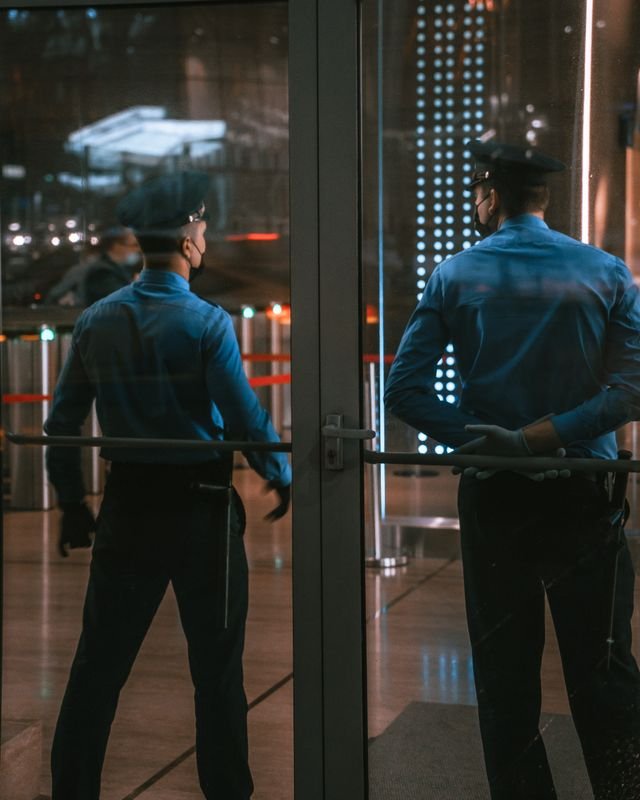
Security Guard Licensing in Victoria: What Melbourne Businesses Should Check
private security Melbourne hiring a security company is a significant decision for a Melbourne business. Before focusing on hourly rates, uniforms or the number of guards provided, there is a more fundamental question to answer: are the security personnel and business properly licensed for the work they are being engaged to perform?
Victoria’s private security licensing framework changed substantially from 19 June 2025. Private security activities are now licensed activities, and businesses have additional requirements to consider when checking security providers. Victoria Police regulates the private security industry and maintains a public register that allows businesses to check current licence and registration holders.
For a Melbourne business, checking licensing should be part of the supplier-selection process, alongside insurance, experience, operating procedures, staffing and the actual security requirements of the property.
Why Security Licensing Matters for Melbourne Businesses
Security guards can be responsible for access control, patrols, monitoring, incident response and other security-related duties. Because these activities are regulated, businesses should not assume that anyone offering security services is automatically authorised to perform them.
Victoria Police states that all private security activities became licensed activities from 19 June 2025. The current framework includes activities such as security guard, crowd controller, bodyguard, investigator, security equipment installer, security adviser and private security trainer.
This means a business should check more than whether a provider simply describes itself as a “security company”.
The relevant licence needs to cover the activity being performed.
What Licence Does a Security Guard Need in Victoria?
An individual performing security work generally needs a Victorian private security individual operator licence covering the relevant activity.
Victoria Police identifies security guard as one of the private security activities that can be endorsed on an individual licence. A licence can cover one or more activities, and the applicant must specify the activities and relevant sub-categories for which they are applying.
This distinction is useful for businesses because security services can vary considerably.
For example, a company may provide:
- Static security guards
- Mobile patrols
- Crowd control
- Bodyguard services
- Security advice
- Security equipment installation
The licence requirements are not necessarily interchangeable between these activities.
When requesting a proposal, ask the provider to confirm that the personnel assigned to your site hold the appropriate authority for the duties they will perform.
Check the Security Company’s Business Licence
Checking the individual guard is only part of the process.
Businesses should also establish whether the security company itself is appropriately licensed to provide security services.
Victoria Police states that a private security business licence allows a business to employ others to carry out specified private security activities, including security guard activities and relevant sub-activities. Business licence applicants must meet competency requirements and provide documentation such as standard operating procedures and evidence of public liability insurance.
This creates an important distinction:
Individual licence: Relates to the person performing the private security activity.
Business licence: Relates to the business providing or employing people to carry out the relevant security activities.
A business should therefore check both sides of the arrangement where applicable rather than assuming the company’s licence automatically verifies every individual guard.
Use the Victoria Police Public Register
One of the most useful checks available to Melbourne businesses is the Victoria Police public register.
Victoria Police states that the public register contains current Victorian private security individual and business licence or registration holders. Businesses can use it to ensure employees are appropriately licensed.
When evaluating a prospective provider, ask for the information necessary to verify:
- The individual’s name.
- The security company’s legal/business identity.
- The relevant licence or registration status.
- The activities authorised.
- Any information relevant to the proposed security assignment.
Do not rely solely on a photograph of a licence card or a statement made during a sales call.
The public register is particularly useful because the Victorian licensing system has undergone a transition from registrations to licences.
Be Aware of the 2025 Licensing Changes
The current framework is different from the system that existed before June 2025.
Victoria Police explains that from 19 June 2025, private security registration holders began transitioning to individual operator or business licences. There are no longer “Class A” and “Class B” activities under the new terminology. Instead, activities are identified as investigator, bodyguard, crowd controller, security guard, private security trainer, security equipment installer and security adviser.
This matters when reading older security-company websites, articles or contracts.
A page written under the previous framework may use terminology that no longer accurately describes the current licensing structure.
For a current Melbourne security contract, check the present Victorian Police requirements rather than relying on older descriptions.
What About Independent Security Contractors?
Businesses should pay particular attention when dealing directly with an independent security contractor or sole trader.
Victoria Police states that an independent contractor carrying on a security activity with an ABN related to that activity must hold both:
- A Private Security Business licence; and
- A Private Security Individual Operator licence.
This requirement came into effect on 19 December 2025.
This can be relevant where a Melbourne business hires an individual security contractor directly instead of engaging a conventional security company.
Ask the contractor to clarify the structure under which they are providing the service and verify the relevant Victorian licensing position.
Check Whether the Licence Matches the Actual Work
A common mistake is checking whether someone has “a security licence” without checking what the licence authorises.
The actual work matters.
For example, a business may need:
- A static guard at a reception area
- An overnight warehouse guard
- A mobile patrol service
- Crowd controllers for an event
- Security personnel for a construction site
- Access-control personnel
- Security personnel during opening and closing
These services can involve different security activities and operational requirements.
The contract should describe the duties clearly enough that the business can determine what type of licence and service arrangement is required.
If the provider proposes changing the duties during the contract, ask whether the assigned personnel remain appropriately authorised for the new responsibilities.
Check Training and Competency
Licensing and training are related, but they are not exactly the same thing.
Victoria Police states that most private security activities require approved training relevant to the activity or activities for which the person is seeking a licence. Applicants must also demonstrate competency to work in the security industry.
Businesses should therefore ask providers how they verify that guards assigned to their sites have the training and competencies relevant to their duties.
This can be particularly important where the assignment involves specialist responsibilities.
For example, Victoria Police has specific requirements around the use of handcuffs. A licence holder must have completed the relevant unit of competency and have written employer approval before using handcuffs as part of their work. Employers are responsible for checking the relevant training and permission.
A business should not assume that a guard’s general security licence automatically authorises every possible security technique or piece of equipment.
Check Insurance and Business Documentation
Licensing is only one part of supplier due diligence.
When comparing Melbourne security providers, ask for appropriate evidence of:
- Public liability insurance
- Business licence
- Relevant operating procedures
- Service scope
- Incident reporting procedures
- Guard identification and licensing arrangements
- Emergency escalation procedures
- Contact details for management
Victoria Police requires business licence applicants to provide evidence of public liability insurance for the activities and sub-activities applied for, along with other business documentation.
A commercial client can still request current evidence as part of its own procurement process.
Understand the Renewal Requirements
Licence status can change over time, so checking a provider once and never reviewing it again is not ideal for a long-term security contract.
Victoria Police states that from 5 October 2026, new training requirements apply when renewing individual operator private security licences. An approved first aid course will be required for individual operators, while Victoria Police-approved refresher training will also be required for operators whose activities include security guard, crowd controller or bodyguard work.
Businesses with ongoing security contracts should therefore have a process for periodically checking that their provider’s licensing remains current.
Victoria Police also notes that if an individual licence expires, the person becomes unlicensed and cannot carry out licensed activities.
What Should Melbourne Businesses Ask a Security Provider?
Before signing a contract, a practical checklist can include:
Licensing
- Is the business currently licensed?
- Are the proposed guards individually licensed?
- Do the licences cover the activities required at our property?
Insurance
- Is public liability insurance current?
- Does the coverage relate to the services being provided?
Operations
- How are guards selected for our site?
- Who supervises them?
- What happens if a guard cannot attend a shift?
- How are incidents escalated?
Reporting
- Will patrols and incidents be documented?
- Who receives reports?
- How quickly are serious incidents escalated?
Site requirements
- Are patrols required?
- Is access control required?
- Are opening and closing procedures included?
- Will guards interact with CCTV or alarm systems?
A provider that can clearly explain these arrangements makes it easier for a business to understand exactly what it is purchasing.
How Much Does Security Licensing Cost?
The cost of a security guard service should not be confused with the government fee for obtaining a licence.
Victoria Police publishes separate fees for individual and business private security licences. The fee depends on the licence type and number of activities endorsed.
These government fees are not the same as the commercial price a Melbourne business pays for security services.
Guard rates can vary according to factors such as:
- Number of guards
- Hours required
- Day or night shifts
- Weekend or public-holiday coverage
- Site location
- Risk profile
- Patrol requirements
- Specialist duties
- Contract length
- Management and reporting requirements
For this reason, a business should compare complete service proposals rather than using licence fees as an indication of what a guarding contract should cost.
Common Mistakes to Avoid
Checking only the security company’s website
A professional-looking website does not replace verification. Use the Victoria Police public register to check current licence information.
Checking only the individual guard
The business providing the service may also need the appropriate business licence.
Assuming every security licence covers every duty
The current Victorian system identifies specific private security activities and sub-categories. Confirm that the proposed work matches the licence.
Using old licensing terminology
Information written before the 2025 reforms may refer to Class A or Class B activities. Check the current Victorian framework instead.
Ignoring contractors
An independent contractor with an ABN carrying on a security activity may need both an individual operator licence and a business licence.
Treating licensing as the only supplier check
A licensed provider still needs to be assessed for insurance, experience, procedures, supervision and suitability for the particular site.
Never checking again after signing the contract
Licences and business arrangements can change. Long-term commercial clients should have periodic supplier checks.
Frequently Asked Questions
Do all security guards in Victoria need a licence?
Private security activities are licensed activities in Victoria. A person carrying out security guard work needs the appropriate Victorian private security authority for the activity.
How can a Melbourne business check a security guard’s licence?
Victoria Police maintains a public register of current private security individual and business licence or registration holders. Businesses can use this register to verify relevant licensing information.
Does a security company need a business licence in Victoria?
A business providing or employing people to carry out specified private security activities generally requires the appropriate private security business licence. The exact requirement depends on the business structure and activities being undertaken.
Can a sole trader work as a security guard in Victoria?
An independent contractor or sole trader carrying on a security activity with an ABN related to that activity must hold both a Private Security Individual Operator licence and a Private Security Business licence under the current requirements.
Does a security guard need specific training?
Most private security activities require approved training relevant to the activity being licensed. The training requirements depend on the particular security activity.
What should a business do if a security provider cannot prove its licence?
Pause the engagement until the licensing position has been clarified and verified through the appropriate Victoria Police channels. A commercial security contract should not rely solely on verbal assurances about licensing.
Final Thoughts
For Melbourne businesses, checking security guard licensing should be a basic part of selecting and managing a security provider. The current Victorian framework requires businesses to look at both individual licensing and, where applicable, the licensing of the security business itself.
The Victoria Police public register provides a practical way to verify current licence and registration information, while contracts, insurance documents, operating procedures and training records can help complete the supplier due-diligence process.
If you are arranging security for an office, warehouse, retail property, construction site or commercial complex, start by defining the actual duties required. Then ask prospective providers to demonstrate that their business and personnel are appropriately licensed for those duties before comparing service proposals.